
Are you getting the most from your Volunteer Recruitment Process?
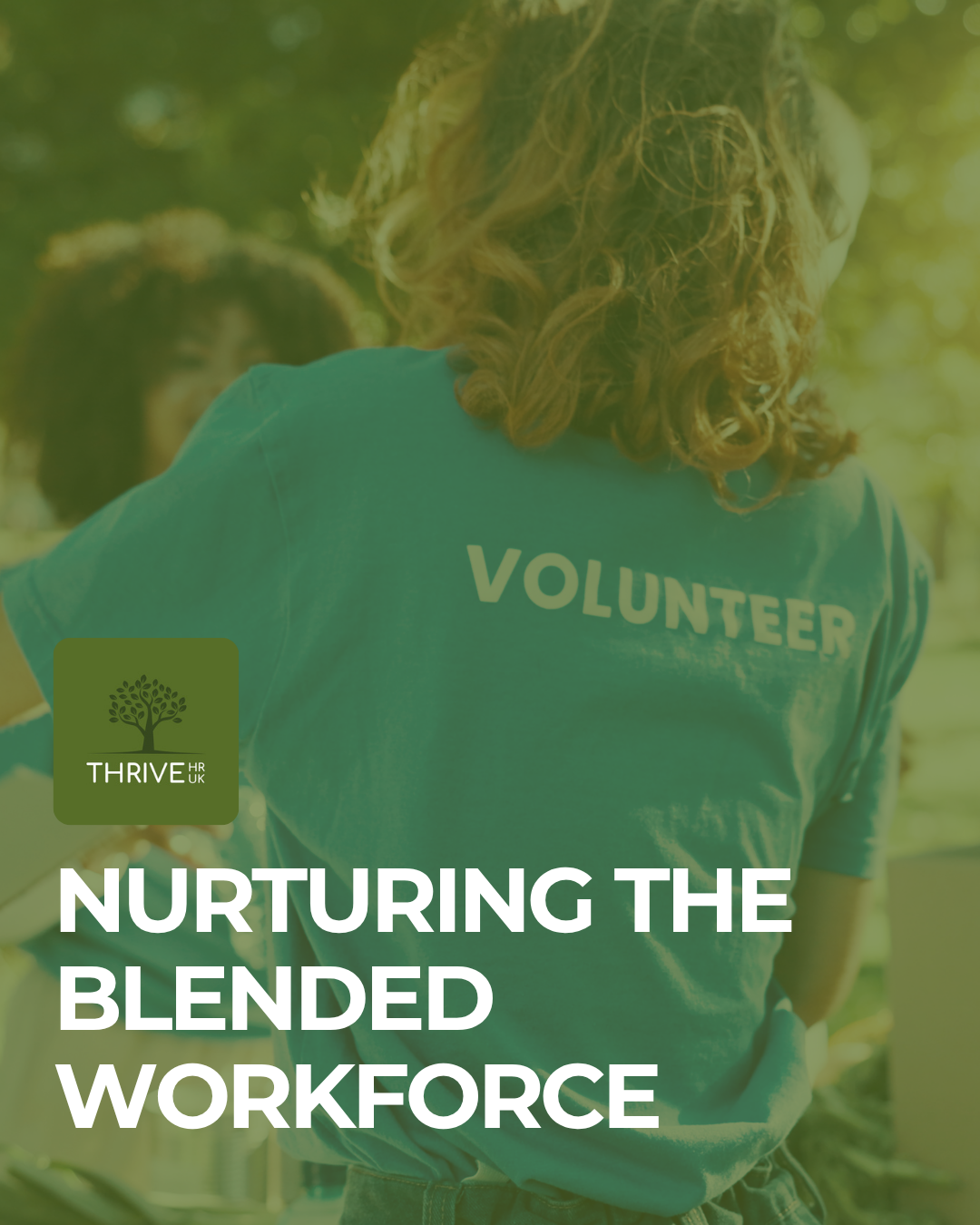
Are You Getting theMost from Your Volunteer Recruitment Process?
Volunteers are theheart of many charities, community organisations and not-for-profit groups.They bring enthusiasm, skills and fresh perspectives, while making aninvaluable contribution to the people and communities they support.
But successfulvolunteer recruitment is about much more than filling vacancies. Taking athoughtful, structured approach helps you attract people who are genuinelyaligned with your organisation, gives them the support they need to succeed,and encourages them to stay involved for the long term.
If your volunteerrecruitment process has not been reviewed for a while, now is a good time totake a closer look.
Start with YourOrganisational Needs
Before advertising anyvolunteer opportunity, consider why you are recruiting.
Ask yourself:
● Are you recruiting to support a specificproject or event?
● Is there an ongoing need within yourorganisation?
● What skills, experience or personalqualities would help someone succeed in the role?
Having a clearunderstanding of your requirements will help you create meaningful volunteerroles and attract people who are the right fit.
Make Your OpportunitiesEasy to Find
Even the most rewardingvolunteer role will not attract applicants if people do not know it exists.
Think about where andhow you advertise your opportunities. This might include:
● Your website
● Social media channels
● Local community groups
● Volunteer centres
● Schools, colleges or universities
● Local businesses and community partners
It is also worthconsidering whether your recruitment methods are accessible and inclusive, sothey encourage applications from people with a wide range of backgrounds andexperiences.
Connect with Your LocalCommunity
Building relationshipswithin your local community can be one of the most effective ways to recruitvolunteers.
Attending communityevents, working with local organisations and encouraging existing volunteers toshare their experiences can all help raise awareness of your organisation andthe opportunities available.
People are often morelikely to volunteer when they understand the difference they can make and feela genuine connection to your cause.
Match People to theRight Roles
Every volunteer bringssomething unique.
Taking the time tounderstand each person's skills, experience, interests and availability allowsyou to match them with roles where they are most likely to thrive.
A good match benefitseveryone. Volunteers feel more confident and engaged, while organisationsbenefit from people using their strengths in meaningful ways.
Keep Your RecruitmentProcess Fair and Consistent
A clear, consistentrecruitment process helps create a positive experience for every applicant.
Consider whether yourprocess includes:
● Clear role descriptions
● A straightforward application process
● Consistent interviews or informalconversations
● Fair selection decisions
● Timely communication throughout theprocess
A positive firstimpression helps build trust from the very beginning.
Prioritise Safeguardingand Compliance
Depending on the natureof your organisation and the volunteer role, safeguarding and appropriatevetting checks may be essential.
Having robust processesin place helps protect volunteers, staff, service users and your organisation.It also demonstrates your commitment to creating a safe and supportiveenvironment for everyone involved.
Set Clear Expectationsfrom Day One
A volunteer agreementcan be a valuable way to establish mutual expectations.
Although it is not anemployment contract, it can outline important information such as:
● The volunteer's role andresponsibilities
● The support your organisation willprovide
● Expected standards of behaviour
● Training opportunities
● Expenses arrangements
● Confidentiality and safeguardingresponsibilities
Providing clarity fromthe outset helps avoid misunderstandings and creates a positive volunteeringexperience.
Invest in Training andInduction
Even experiencedvolunteers need support when joining a new organisation.
A well-plannedinduction should help volunteers understand:
● Your organisation's mission and values
● Their role and responsibilities
● Health and safety procedures
● Safeguarding requirements
● Who to contact if they need support
Ongoing training anddevelopment also help volunteers build confidence, develop new skills and feelvalued as part of the team.
Building a StrongVolunteer Workforce
Recruiting volunteersis not simply about increasing numbers. It is about creating an experiencewhere people feel welcomed, supported and able to make a meaningfulcontribution.
By regularly reviewingyour recruitment process, you can ensure it remains fair, effective and alignedwith your organisation's values. In return, you are more likely to build acommitted, capable volunteer team that continues to make a lasting differenceto your organisation and the communities you serve.
Do you need helpstreamlining your voluntary recruitment process?
Get intouch with us today.
